


Current Projects

Collaborative of Native Nations for Climate Transformation and Stewardship
Advancing a Model of Indigenous-led Stewardship
The Collaborative of Native Nations for Climate Transformation and Stewardship (CNNCTS) advances a model of Indigenous-led lands stewardship for climate adaptation and resilience. CNNCTS is co-led by San Diego State University and the Climate Science Alliance with the guidance of the Tribal Working Group and many partners.

Hear Our Names
Meet the Plants and Animals of Our Region
A collaborative and on-going effort between the Climate Science Alliance and partners to integrate Indigenous knowledges, participation, and leadership in climate adaptation planning and stewardship. Through community events, public signage, and interactive webpages, we invite all communities to listen and learn about Native species and their Indigenous names.

Climate Science Alliance
A Model for Community-Led Climate Adaptation
In this report, we present our model as an actionable framework that advances the implementation of community-led transformational climate adaptation. This text articulates the foundational components of our model and explores key elements for transferability and replication that we hope will inspire others to prioritize relationships, reciprocity, and equal valuation for ways of knowing in their own work.

Indigenous Fire, Forestry, and Fuels Crew
Building Climate Resilience and Relationship with Fire in Southern California
The Indigenous Fire, Forestry, and Fuels Crew is trained in fire, forestry, and fuels management to support efforts in the region to address fire danger in historically excluded communities and to advance resilient and adaptive pathways for conserving the land.

Integrated Framework for Drought Response in Southern California's Natural Landscapes
Building Regional Understanding for Conservation and Natural Resource Management
This project will help build regional understanding of the vulnerabilities and effects of ecological drought for conservation and natural resource management.

MAATHAAW: The Fire Within Us
An Indigenous-led Documentary
“MAATHAAW: The Fire Within Us” is an Indigenous-led research feature-length film documentary from the Condor Visual Media team that documents the cultural, emotional, and scientific relationships of Southern California Tribes with the gift of fire.

Sharing the Coast
Opportunities and strategies for accelerating coastal resilience in the San Diego-Baja California Region
The purpose of this document is to outline a strategic vision for enhancing coastal resilience in the San Diego-Baja California Region through binational collaboration. It draws from a needs assessment led by California Sea Grant and the Climate Science Alliance. This vision document identifies key opportunities and actionable strategies that integrate scientific research, traditional knowledge, and innovative practices to support resilient coastal communities and ecosystems. By fostering cross-border partnerships, expanding research capabilities, and engaging diverse stakeholders, this document aims to guide efforts towards a more resilient future for our shared coastline.

Southern California Interagency Fire and Fuels Cadre
Meeting the Fire Training and Capacity Needs of Southern California
The Southern California Interagency Fire and Fuels Cadre was convened in 2022 with the goal of advancing efforts to build economic and climate resilience in Tribal and non-tribal communities across Southern California.

Southern California Montane Forests
A Climate-Informed Conservation Strategy
Southern California’s montane forests are facing rapidly intensifying stressors and disturbances that are exacerbated by climate change. The goal of this project is to advance our collective understanding of the vulnerabilities and challenges facing these forests and identify the opportunities and strategies for increasing forest resilience.

Spatial Decision Support for Fire Management
Supporting Indigenous Cultural and Stewardship Practices
This process integrates geospatial data, socioeconomic factors, and cultural priorities and values for regional Tribal communities to inform the development of adaptation strategies and responses to wildfire and the impacts of climate change on regional fire regimes.

Stewardship Pathways
Advancing Tribal Stewardship of All Ancestral Lands
Presented by the Climate Science Alliance Tribal Working Group, the Stewardship Pathways Program invites people from across Southern California who are interested in creating or expanding a career focused on advancing Indigenous climate stewardship.
Past Projects


Center for Community Energy and Environmental Justice
An Environmental Justice Thriving Communities Technical Assistance Center
The Center for Community Energy and Environmental Justice (CCEEJ) at San Diego State University is an EPA and DOE-supported Environmental Justice Thriving Communities Technical Assistance Center, supporting efforts in California, Arizona, Nevada, Hawaii, Guam, American Samoa, and the Northern Mariana Islands. CCEEJ is powered by a network of collaborative institutions and organizations across the region, including the Climate Science Alliance.

Climate Change and the Baja California Peninsula
A Baja Working Group Report
This report provides an overview of what we know from available downscaled climate knowledge for the Peninsula, where research is needed, and opportunities for working collaboratively to advance climate science and solutions.


Ecological Network for Shorebirds in the San Diego - San Quintín Corridor
A Binational Working Group Breakout Project
The Binational Working Group’s breakout project “Ecological Network for Shorebirds in the San Diego - San Quintín Corridor” is led alongside Instituto de Planeación Ambiental y Calidad de Vida A.C. (INPACVI), with support from the Binational Resilience Initiative, a partnership of San Diego Foundation, International Community Foundation, Resilient Cities Catalyst and San Diego Regional Climate Collaborative.

La Jolla 2019 Climate Adaptation Plan
La Jolla Band of Luiseño Indians
The 2019 Climate Adaptation Plan for the La Jolla Band of Luiseño Indians is a living document that provides a foundation for the Tribe to address climate change impacts to a variety of sectors including natural resources, infrastructure and economy, health and wellness, and community and culture.
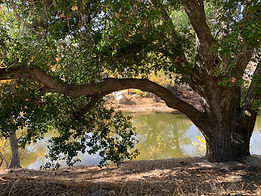
Manzanita Tribal Resilience Project
Building Climate Resilience for ‘Synaaw and the People
The Manzanita Band of the Kumeyaay Nation is moving forward with a vision to protect and conserve the lands under their stewardship. The Climate Science Alliance team is honored to take part and support the Tribe in creating the Manzanita Tribal Resilience Project – one part of a larger effort to address climate impacts and build resilience into the future.


Reconnecting with Our Food Relatives
Strengthening our Relationship with Food and Community
The Climate Science Alliance's Indigenous Food Sovereignty Project, “Reconnecting with Our Food Relatives: Strengthening our Relationship with Food and Community”, uplifts and supports Tribal partners in creating opportunities to reconnect and share knowledge and skills about specific traditional foods on their terms and in their own ways.


Resilient Restoration
Advancing Ecological, Cultural, and Community Resilience with Tribal Nations in Southern California
This collaborative project will work to promote Tribal resilience by developing knowledge and supporting actions that enhance persistence of cultural practices with a focus on preserving the ecosystems and species that are integral to Tribal communities.


San Diego County Ecosystems Assessment
The Ecological Impacts of Climate Change on a Biodiversity Hotspot
The San Diego County Ecosystems Assessment is a technical report for California's Fourth Climate Change Assessment that provides an overview of the state of the science for climate change impacts to ecosystems and species in the region with specific guidance for managers.

Valuing Carbon Sequestration in Natural Landscapes
Ongoing Efforts and Future Opportunities
California’s chaparral ecosystems have been largely excluded from carbon sequestration evaluations and planning due to lack of understanding about carbon dynamics in these systems. However, chaparral is the most extensive vegetation type in the state with potential for above- and below-ground carbon storage.